FREE Grade 1 (Ages 6–7) 🎯 CCSS Grade 1 / UK KS1 🇬🇧 UK: Year 1 (KS1) 🖨️ Tested for US Letter & A4 · Portrait
Labelling D Worksheet for Grade 1
Labelling D is a printable PDF worksheet for Grade 1 (ELA › Writing). It belongs to the Labelling set and gives children one focused page of practice they can complete with a pencil, crayons, or a marker.
✏️ Practice On-Screen Download PDF Print ✨ Create Similar with AI
Resize & download
👨🏫 Parent Teaching Guide & Interactive Answer Key
Step-by-step solutions, parent teaching script, common pitfalls, and print grading rubric for Grade 1 Labelling D.
“Where do our letters always start? At the very top! Frog jump back up to the ceiling before curving around. Keep your pencil steady and let your wrist relax.”
Starting letters from the bottom baseline upwards, or pressing down so hard that the paper tears. Encourage gentle pencil pressure.
⏱️ 3-Minute Structured Home Teaching Plan:
Why Physical Pencil Writing Builds Stronger Neural Pathways
Preview this worksheet
✍️ Draw, Trace & Practice On-Screen
Inside this PDF

This is a single-page printable — what you see in the thumbnail is the whole sheet. Words and themes pulled straight from the file include:
labelhousekindergartenwritingparts
Sample exercises from this page
- Label the house
- Kindergarten Writing Worksheet
- Label the parts of the house.
- ________________
- ________________
- ________________
- ________________
Watch: Child Pathshala Printables in action
▶ Now playing: Child Pathshala Printables
📺 Dedicated Watch Page →File details & curriculum alignment
Worksheet overview & learning goals
Meet Labelling D: a Grade 1 ELA printable that turns Writing practice into a win your child can finish before the timer runs out. Sourced from the Labelling collection, it keeps the focus tight — one skill, one page, one proud finished sheet for the fridge door.
Here is the thing about Easy practice: frequency beats duration. Five focused minutes on Labelling D today plus a sibling page on Thursday will move Labelling further than a single Sunday marathon. The page is engineered for that rhythm — short enough to finish, substantial enough to matter.
Pair this sheet with its bundle siblings for a full week of Labelling practice without repeating a single question. Three short sessions across seven days will do more for retention than one long sitting, and each finished page earns its place on the fridge.
- Build Grade 1 Writing skills through the focused Labelling set
- Build test readiness through calm, low-stakes Writing repetition
- Grow vocabulary and comprehension one page at a time
- Create a portfolio trail of dated pages that makes growth visible
- Bridge classroom lessons and home practice seamlessly
- Support mixed-ability groups — fast finishers simply move on to sibling pages
Included in a printable bundle
This page is part of the Labelling bundle, a 6-page printable pack covering Labelling for Grade 1. Single pages are perfect for tonight; the full pack is what you want for the week — download the whole bundle as one ZIP below and you will never scramble for tomorrow's practice again. You are looking at page 4 of 6 in this pack — it follows Labelling C and leads into Labelling E, so the difficulty steps up gradually. Working the pack in order gives the smoothest progression, though every page also stands alone.
Download full 6-page bundle (ZIP) See all pages in Labelling
Also in this bundle
Labelling ALabelling BLabelling CLabelling ELabelling F
Curriculum & skill alignment
Reading and writing grow together, and this Grade 1 Writing page feeds both directions of that loop. After your child completes the labelling items, flip the task: dictate two similar items aloud and let them write the answers from hearing alone — dictation is the bridge between reading recognition and true spelling power. Keep a personal word wall where tricky Writing words from these pages earn a sticky note; reviewing the wall for sixty seconds before each new sheet compounds vocabulary remarkably fast. Read-aloud time multiplies the effect: hearing fluent adult reading models the phrasing and expression that silent worksheets cannot teach. At the Easy stage, aim for the page plus ten minutes of shared reading daily, and Grade 1 literacy will advance on two fronts at once. Celebrate finished pages concretely — a dated folder, a proud display — because children who see themselves as readers and writers willingly attempt harder Writing work next.
A second set of Easy-band wins to watch for: writing their own first name without a model, counting to twenty with one-to-one pointing, and retelling the steps of a finished Writing page in order. Daily rhythms matter enormously now — same practice time, same spot, same pencil — because predictability frees working memory for learning. Expect big day-to-day swings; a tired five-year-old is a different learner than a rested one, and pushing through fatigue teaches nothing but dislike. Instead, bank the good days: when focus is high, do the page plus one sibling labelling variant back to back. Keep language playful and concrete, celebrate process over product, and trust that these small Grade 1 routines are laying rails that later schooling will run on smoothly.
Step-by-step parent & teacher guide
Keep a 'practice tray' ready — three printed pages from this bundle, two pencils, an eraser, and a small sticker sheet. When the moment for practice appears, there is nothing to prepare and every excuse has already been removed.
- Independent practice: hand over the pencil. Stay close enough to answer questions but far enough that the child feels ownership — this is where Easy stamina is built.
- After checking, let your child score the page themselves with a star or sticker. Self-assessment turns checking from judgment into ritual.
- Coach from the sidelines: resist correcting mid-page and instead place a tiny dot beside items to revisit. Finishing with momentum matters more than finishing flawlessly at the Easy stage.
- Narrate the thinking: ask your child to say each step out loud before writing it. Spoken reasoning catches slips before they reach the page.
Recommended supplies
You need almost nothing: the printed page, a pencil with an eraser, and optionally crayons or washable markers if the Writing theme invites color. A clipboard helps for couch or floor work, and a simple folder keeps finished pages — the cheapest progress portfolio ever assembled. A kitchen timer can help too: visible countdowns turn practice into a friendly beat-the-clock game for Easy learners.
Extension activities
- Speed round: once accuracy is solid, replay the trickiest row with a gentle timer and celebrate a personal best — fluency grows when accuracy is already in place.
- Story swap: ask your child to make up a tiny story using the items or answers on the page. Nonsense is fine — the blending of Writing ideas with narrative is the exercise.
- Variant ladder: print two sibling pages from the Labelling bundle and do one today, one in three days. Spaced repetition across variants is what converts a good session into a durable labelling skill.
- Portfolio pick: at month's end, let your child choose their favourite finished page from the bundle and explain why. The conversation reveals more than any quiz sheet.
5 Steps to Skill Mastery for this Topic
Find exact learning gaps before practicing.
Screen-free pencil-on-paper completion.
Stuck on an item? Generate 3 mirror practice sheets.
Reinforce recall with interactive games.
Record mastery and print a diploma certificate.
Where to Go Next: 3-Tier Learning Ladder
Choose the best next step tailored to how your child performed on today’s worksheet:

Labelling A
Grade-1Rebuilds confidence with gentler foundational numbers and visual cues.

Labelling E
Grade-1Parallel sibling practice to lock in muscle memory without memorization.
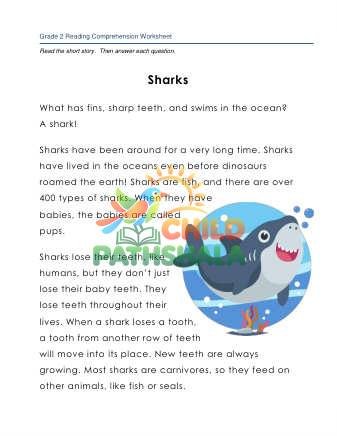
2 Reading Sharks
Grade-2Advances to multi-step reasoning, higher numbers, or next grade level.
Keep practicing
Frequently asked questions
Is this writing worksheet free for classroom use?
Yes. This Grade 1 Writing page is free to preview, download, and print for your classroom, homeschool, or family. Print one copy per student for in-class work, homework, or learning centers — there are no per-student fees and no watermark on the printed page. If colleagues need it too, share the page link rather than the file so they always get the latest version. For school-wide distribution across many classrooms, keep a bookmark to the bundle page so every teacher prints from the same source. Because previews are free, you can verify alignment with your lesson plan before printing a single copy — a small habit that saves considerable paper over a school year. Child Pathshala is a download-and-print library: you print on your own printer — we never ship physical worksheets.
How do I print this PDF without dark borders or cut-off edges?
School copiers behave differently from home printers: choose single-sided, normal contrast, and 100 percent scale for the cleanest class sets. If your copier darkens backgrounds, lighten the copy density one notch — the bold Writing lines stay crisp while gray wash disappears. Printing from a phone or tablet works fine through any PDF reader; just confirm US Letter or A4 in the print preview first. For laminated reuse, print once on cardstock, slip the sheet into a dry-erase pocket, and hand out whiteboard markers — one print serves the whole term. Whatever the machine, always run a single test copy before committing to thirty.
What age group is this printable best suited for?
A quick readiness check settles it: hand the child the page and watch the first row without helping. Smooth and confident means independent practice; hesitation means work the first two items together and then step back; total stall means swap in an easier sibling variant from the same bundle this week and revisit this one after a confidence-building page. The curriculum section above lists every Labelling the page touches, so you can match it to what your class or child is covering this month rather than guessing.
What skills does this Grade 1 worksheet build?
If the first session felt smooth, extend it the following week by asking your child to predict which items will be easy before starting — metacognition like that multiplies the value of routine practice. If the session felt like a struggle, shrink the goal: cover all but one row with a sheet of paper and let the child 'unlock' rows one at a time. Either way, log the date on the finished page; dated pages from the Labelling bundle become a progress story you can actually show.
Start with the free preview, print tonight's page, and let the bundle carry the week. Small daily wins on pages like Labelling D are how Grade 1 Writing skills quietly become permanent. Come back tomorrow for the next variant — consistency beats intensity every time.