FREE Grade 1 (Ages 6–7) 🎯 CCSS Grade 1 / UK KS1 🇬🇧 UK: Year 1 (KS1) 🖨️ Tested for US Letter & A4 · Portrait
Tracing Letters F Worksheet for Grade 1
Tracing Letters F is a printable PDF worksheet for Grade 1 (Handwriting › Handwriting). It belongs to the Tracing Letters set and gives children one focused page of practice they can complete with a pencil, crayons, or a marker.
✏️ Practice On-Screen Download PDF Print ✨ Create Similar with AI
Resize & download
👨🏫 Parent Teaching Guide & Interactive Answer Key
Step-by-step solutions, parent teaching script, common pitfalls, and print grading rubric for Grade 1 Tracing Letters F.
“Where do our letters always start? At the very top! Frog jump back up to the ceiling before curving around. Keep your pencil steady and let your wrist relax.”
Starting letters from the bottom baseline upwards, or pressing down so hard that the paper tears. Encourage gentle pencil pressure.
⏱️ 3-Minute Structured Home Teaching Plan:
Why Physical Pencil Writing Builds Stronger Neural Pathways
Preview this worksheet
✍️ Draw, Trace & Practice On-Screen
Inside this PDF
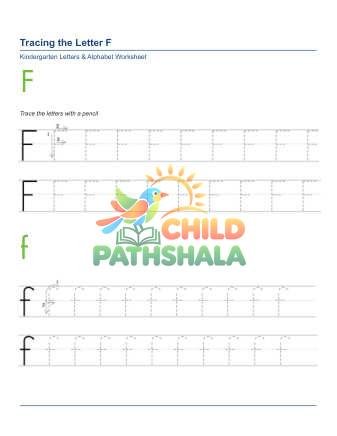
This is a single-page printable — what you see in the thumbnail is the whole sheet. Words and themes pulled straight from the file include:
letterspenciltracingletterkindergartenalphabet
Sample exercises from this page
- Trace the letters with a pencil
- Tracing the Letter F
- Kindergarten Letters & Alphabet Worksheet
Watch: Tracing in action
▶ Now playing: Tracing
📺 Dedicated Watch Page →File details & curriculum alignment
Worksheet overview & learning goals
Looking for Grade 1 Handwriting practice that actually gets finished? Tracing Letters F covers Handwriting through the Tracing Letters set on a single clean page. The format is deliberately simple: clear instructions, large print, and room to write, so children spend their energy on learning instead of figuring out the worksheet.
Everything about the layout serves ages 6–7 attention spans: one skill per page, items ordered from warm-up to gentle stretch, and enough white space that the page never feels crowded. Easy learners stay engaged when success arrives early, so the opening items are designed to be winnable within the first minute.
Printing and preparation could not be simpler: open the preview, confirm the page, and print single-sided. Keep a folder of finished Handwriting pages — flipping back through completed work shows children how far they have come and motivates the next session.
- Develop correct pencil grip and relaxed hand posture
- Create a portfolio trail of dated pages that makes growth visible
- Build muscle memory through traced then independent Handwriting lines
- Support mixed-ability groups — fast finishers simply move on to sibling pages
- Grow writing stamina one focused Grade 1 page at a time
- Build test readiness through calm, low-stakes Handwriting repetition
Included in a printable bundle
This page is part of the Tracing Letters bundle, a 6-page printable pack covering Tracing Letters for Grade 1. Single pages are perfect for tonight; the full pack is what you want for the week — download the whole bundle as one ZIP below and you will never scramble for tomorrow's practice again. You are looking at page 6 of 6 in this pack — it follows Tracing Letters E as the difficulty steps up. Working the pack in order gives the smoothest progression, though every page also stands alone.
Download full 6-page bundle (ZIP) See all pages in Tracing Letters
Also in this bundle
Tracing Letters ATracing Letters BTracing Letters CTracing Letters DTracing Letters E
Curriculum & skill alignment
Set the stage and the handwriting nearly teaches itself: feet flat, back straight, paper tilted slightly (right-handers tilt clockwise, left-handers counter-clockwise), and a short pencil that forces a tripod grip. This Grade 1 Handwriting page then supplies the repetition — but repetition with attention, not mindless copying. Have your child trace each tracing letters line while whispering the stroke path, because linking language to movement doubles retention of letter forms. Short pencils, triangular grips, or broken crayons all quietly correct fist grips without a single nagging word. Left-handed writers should sit on the left side of shared tables with the paper turned the other way, and nobody should press hard enough to emboss the next three pages. Speed comes last, always: first accurate and relaxed at the Easy stage, then gradually quicker across the term. Two focused pages a week on sheets like this will transform wobbly Grade 1 script into confident, readable writing by report-card time.
A second set of Easy-band wins to watch for: writing their own first name without a model, counting to twenty with one-to-one pointing, and retelling the steps of a finished Handwriting page in order. Daily rhythms matter enormously now — same practice time, same spot, same pencil — because predictability frees working memory for learning. Expect big day-to-day swings; a tired five-year-old is a different learner than a rested one, and pushing through fatigue teaches nothing but dislike. Instead, bank the good days: when focus is high, do the page plus one sibling tracing letters variant back to back. Keep language playful and concrete, celebrate process over product, and trust that these small Grade 1 routines are laying rails that later schooling will run on smoothly.
Step-by-step parent & teacher guide
The only real preparation is a pencil sharpener and a flat surface. Print the page, sit within earshot, and let your child read the instructions aloud once — that thirty-second ritual quietly checks comprehension and settles wiggles before work begins.
- Time-box the session to twelve minutes. The page is designed to fit, and ending while energy is high is what makes children ask for the next one.
- Close the loop the same day: review the dotted items together, let your child fix them personally, and choose tomorrow's sibling page on the spot. Same-day review converts practice into memory.
- Model the first items: do the opening two together, thinking aloud as you go. Hearing an adult reason through tracing letters work teaches the method, not just the answer.
- Review and celebrate: check answers together, revisit any misses as a team, and file the page. Then pick the next variant from the bundle to lock in the tracing letters skill while it is fresh.
Recommended supplies
Skip the fancy supplies. One printed page, one pencil, one eraser — that is the entire kit. Children at the Easy stage do their best work when the materials are boring and the task is clear.
Extension activities
- Gallery walk: tape the finished Handwriting page at eye level and let your child present it like a museum guide. Narrating their own work cements Tracing Letters vocabulary better than any quiz.
- Speed round: once accuracy is solid, replay the trickiest row with a gentle timer and celebrate a personal best — fluency grows when accuracy is already in place.
- Colour-code review: circle the easiest answer in green and the trickiest in orange, then ask why the orange one felt harder. The explanation is the real lesson hiding inside the page.
5 Steps to Skill Mastery for this Topic
Find exact learning gaps before practicing.
Screen-free pencil-on-paper completion.
Stuck on an item? Generate 3 mirror practice sheets.
Reinforce recall with interactive games.
Record mastery and print a diploma certificate.
Where to Go Next: 3-Tier Learning Ladder
Choose the best next step tailored to how your child performed on today’s worksheet:
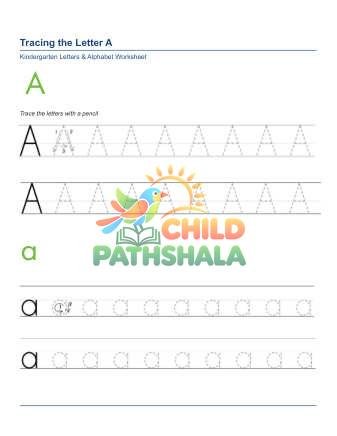
Tracing Letters A
Grade-1Rebuilds confidence with gentler foundational numbers and visual cues.
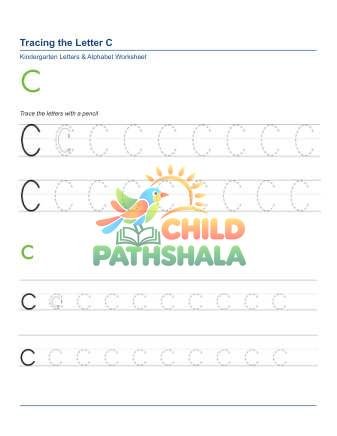
Tracing Letters C
Grade-1Parallel sibling practice to lock in muscle memory without memorization.
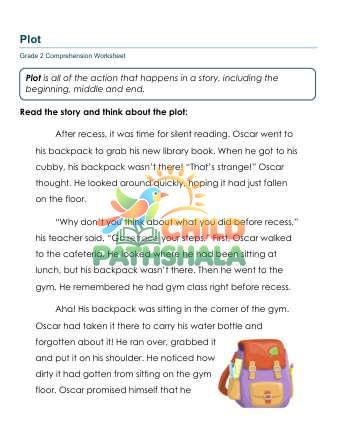
Plot Efs
Grade-2Advances to multi-step reasoning, higher numbers, or next grade level.
Keep practicing
Frequently asked questions
Is this handwriting worksheet free for classroom use?
Absolutely — and that includes homeschool co-ops, tutoring centers, and after-school programs, not just traditional classrooms. There is no seat limit and no licensing paperwork for normal educational use: preview, print, and teach. The one request we make is simple — link colleagues to this page instead of emailing the file around, so everyone prints the current version. Heavy users running hundreds of copies a month should use draft mode and the bundle ZIP to keep printing budgets sane. If your school needs documentation for approved-resource lists, this page's curriculum section above describes the skill alignment in administrator-friendly language.
How do I print this PDF without dark borders or cut-off edges?
Open the free preview first to confirm the layout, then print at 100 percent scale (sometimes labeled Actual Size) on US Letter or A4 — the page is designed for both. If edges clip, switch the printer dialog from Borderless to Normal margins, which restores the safe zone most home printers need. For daily classroom runs, draft or grayscale mode saves ink with no loss of clarity, since all instructions use high-contrast type. Printing single-sided is best when children use markers, as ink can ghost through thin paper onto whatever waits beneath. If colors print too dark on your machine, choose Grayscale or Draft mode; the high-contrast layout stays fully legible while using a fraction of the ink.
What age group is this printable best suited for?
This page targets Grade 1 (ages 6–7) at a Easy level. Children at the younger end of that range should do the first items with an adult, then continue solo once the pattern clicks; older or advanced children can treat it as quick independent practice or warm-up. If the page feels too easy, move up within the same Handwriting topic rather than skipping ahead a grade — depth beats acceleration at this stage. If it feels hard, pair it with an easier sibling variant from the same bundle and alternate days. Either way, ten to fifteen focused minutes beats a tired half hour. Watch the first session closely: if your child finishes quickly and accurately, add the next sibling variant the same week; if they stall, revisit the worked example together and try again in a day or two.
What skills does this Grade 1 worksheet build?
In report-card language, this page supports Handwriting proficiency plus work-habit goals like task completion and independent practice — phrases teachers and parents both use at conference time. Mention the specific wins you observed: finished without reminders, self-corrected an error, or explained an answer aloud. Those observations become powerful portfolio notes and concrete praise that beats generic good job stickers. Because the Tracing Letters collection spans many variants, you can document progress across weeks with dated finished pages as evidence. Bring two or three to the next parent-teacher meeting and the conversation shifts from vague worries to a visible growth story told in your child's own handwriting.
Ten focused minutes is the whole commitment: preview Tracing Letters F above, print, and hand over the pencil. The finished page joins the folder, the folder becomes the portfolio, and the portfolio becomes proof of how far Grade 1 practice has come.