FREE Grade 1 (Ages 6–7) 🎯 CCSS Grade 1 / UK KS1 🇬🇧 UK: Year 1 (KS1) 🖨️ Tested for US Letter & A4 · Portrait
Beginning Sounds Beginning Part 4 Worksheet for Grade 1
Beginning Sounds Beginning Part 4 is a printable PDF worksheet for Grade 1 (Science › Science). It belongs to the Beginning Sounds Beginning set and gives children one focused page of practice they can complete with a pencil, crayons, or a marker.
✏️ Practice On-Screen Download PDF Print ✨ Create Similar with AI
Resize & download
👨🏫 Parent Teaching Guide & Interactive Answer Key
Step-by-step solutions, parent teaching script, common pitfalls, and print grading rubric for Grade 1 Beginning Sounds Beginning Part 4.
“Read the instructions together first. What is the worksheet asking us to find? Let's do the first one together as a team, then you try the next one on your own!”
Skimming past the instructions and guessing what to do. Always read the prompt heading aloud.
⏱️ 3-Minute Structured Home Teaching Plan:
Why Physical Pencil Writing Builds Stronger Neural Pathways
Preview this worksheet
✍️ Draw, Trace & Practice On-Screen
Inside this PDF
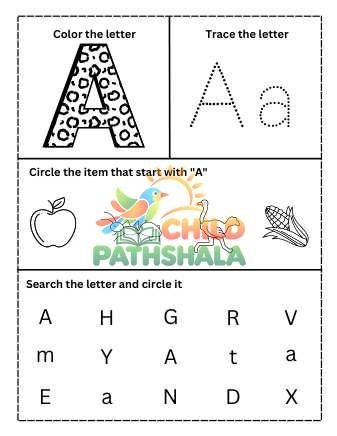
This is a 26-page pack — the thumbnail shows page 1 of 26. Words and themes pulled straight from the file include:
searchlettercircleitemstart
Sample exercises from this page
- Search the letter and circle it
- Circle the item that start with "A"Aa
- Trace the letter
- Color the letter
- Search the letter and circle it
- Circle the item that start with "B"Bb
- Trace the letter
- Color the letter
Watch: Alphabet Flashcards in action
▶ Now playing: Alphabet Flashcards
📺 Dedicated Watch Page →File details & curriculum alignment
Worksheet overview & learning goals
Parents searching for Grade 1 Science help often land here, and for good reason: Beginning Sounds Beginning Part 4 packages Science practice from the Beginning Sounds Beginning set into a page that respects busy evenings. Print it during dinner prep, and by bedtime the practice is done — no battles, no leftover sheets.
Notice how the items climb: the first row reviews what your child already knows, the middle rows teach the actual Beginning Sounds Beginning move, and the final stretch asks them to use it independently. That arc — recall, learn, fly solo — mirrors a well-taught Grade 1 lesson in miniature.
A quiet detail worth knowing: the type on this page runs larger than standard workbook print, which reduces eye strain and letter confusion for ages 6–7 readers. Small design choices like this are why printable specialists beat generic worksheets for Grade 1 practice.
- Make practice portable — prints cleanly for travel, waiting rooms, and weekends away
- Build science vocabulary with the Beginning Sounds Beginning activity set
- Strengthen attention stamina with a satisfying finish-the-page arc
- Connect Grade 1 science topics to everyday life at home
- Turn screen-free time into Science progress with zero setup or cleanup
- Lay groundwork for later lab-style thinking and classification
Included in a printable bundle
This page is part of the Beginning Sounds Beginning bundle, a 8-page printable pack covering Beginning Sounds Beginning for Grade 1. Single pages are perfect for tonight; the full pack is what you want for the week — download the whole bundle as one ZIP below and you will never scramble for tomorrow's practice again. You are looking at page 3 of 8 in this pack — it follows Beginning Sounds Beginning Part 3 and leads into Beginning Sounds Beginning Part 5, so the difficulty steps up gradually. Working the pack in order gives the smoothest progression, though every page also stands alone.
Download full 8-page bundle (ZIP) See all pages in Beginning Sounds Beginning
Also in this bundle
Beginning Sounds Beginning Part 2Beginning Sounds Beginning Part 3Beginning Sounds Beginning Part 5Beginning Sounds Beginning Part 6Beginning Sounds Beginning Part 7Beginning Sounds Beginning Part 8
Curriculum & skill alignment
This Grade 1 science printable explores Science through the Beginning Sounds Beginning activity set, turning abstract ideas into something a child can touch, circle, and talk about. At the Easy stage, science learning is mostly observation and language: naming what they see, sorting it into groups, and wondering why things behave the way they do. The page is designed to start conversations — a parent or teacher can ask what the child notices first, what surprised them, and what they would test next, which builds the questioning habit behind all later lab work. Vocabulary is introduced gently, with picture support carrying the meaning so young readers are never stuck decoding before they can start thinking. The single-page format works beautifully as a lesson hook, a homework reflection, or a rainy-day discovery sheet, and it pairs well with a short walk outside or a kitchen-table experiment on the same theme. Because the content is organized around one clear Science idea, children finish the page with a genuine fact or skill they can retell at dinner — the surest sign that science time actually landed.
At the Easy band (Grade 1, ages 6–7), the developmental milestones that matter most are pencil grip, following one- and two-step directions, and sustaining focus for ten to fifteen minutes. Children this age learn through their hands, so every traced line, circled answer, and colored shape is literally wiring the brain for later academic work. Expect wobbles: letter sizes will vary, answers will drift off baselines, and attention will wander mid-page. All of that is normal and healthy. The right response is shorter sessions, warmer praise for effort, and immediate repetition of anything that clicked — this page plus one sibling variant tomorrow will do more good than any lecture about trying harder. Watch for the milestone moments: the first fully independent row, the first self-caught mistake, the first request for another page. Each one signals readiness for slightly longer, slightly harder Science work.
Step-by-step parent & teacher guide
No prep needed. Print the page in black and white or color — both work. Have the child read the instructions aloud (a tiny comprehension check in disguise), complete the first item together, then let them continue independently while you stay nearby for questions.
- Agree on a finish line before the pencil touches paper — 'we stop after this row' beats watching the clock, and a finished row builds the habit of completion.
- After checking, let your child score the page themselves with a star or sticker. Self-assessment turns checking from judgment into ritual.
- Set up for success: clear a small workspace, lay out the printed page with a sharp pencil, and silence nearby screens. Two minutes of setup prevents twenty minutes of drifting attention.
- Close the loop the same day: review the dotted items together, let your child fix them personally, and choose tomorrow's sibling page on the spot. Same-day review converts practice into memory.
Recommended supplies
Keep it simple: printed page, pencils, eraser, and colored pencils for any creative stretches. Avoid pens at this stage so mistakes stay fixable, and keep a second printed copy handy — siblings and retry attempts have a way of appearing exactly when the printer is off. A timer adds gentle structure for children who dawdle, while a sticker on each finished page works wonders for ages 6–7 motivation.
Extension activities
- Real-world mission: send your child to spot Science ideas in the wild — numbers on signs, letters on packaging, patterns on tiles. Photograph three finds and tape them beside the worksheet.
- Speed round: once accuracy is solid, replay the trickiest row with a gentle timer and celebrate a personal best — fluency grows when accuracy is already in place.
- Portfolio pick: at month's end, let your child choose their favourite finished page from the bundle and explain why. The conversation reveals more than any quiz sheet.
- Story swap: ask your child to make up a tiny story using the items or answers on the page. Nonsense is fine — the blending of Science ideas with narrative is the exercise.
5 Steps to Skill Mastery for this Topic
Find exact learning gaps before practicing.
Screen-free pencil-on-paper completion.
Stuck on an item? Generate 3 mirror practice sheets.
Reinforce recall with interactive games.
Record mastery and print a diploma certificate.
Where to Go Next: 3-Tier Learning Ladder
Choose the best next step tailored to how your child performed on today’s worksheet:
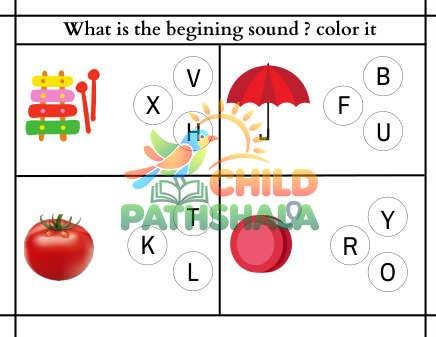
Rebuilds confidence with gentler foundational numbers and visual cues.
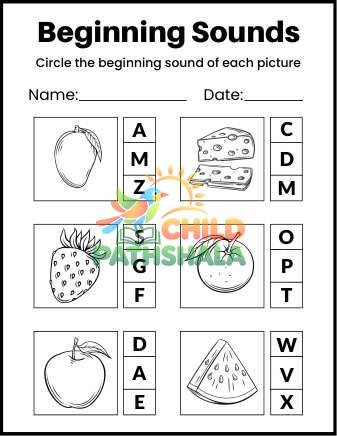
Parallel sibling practice to lock in muscle memory without memorization.

Habitat D
Grade-2Advances to multi-step reasoning, higher numbers, or next grade level.
Keep practicing
Frequently asked questions
Is this science worksheet free for classroom use?
Absolutely — and that includes homeschool co-ops, tutoring centers, and after-school programs, not just traditional classrooms. There is no seat limit and no licensing paperwork for normal educational use: preview, print, and teach. The one request we make is simple — link colleagues to this page instead of emailing the file around, so everyone prints the current version. Heavy users running hundreds of copies a month should use draft mode and the bundle ZIP to keep printing budgets sane. If your school needs documentation for approved-resource lists, this page's curriculum section above describes the skill alignment in administrator-friendly language.
How do I print this PDF without dark borders or cut-off edges?
Three quick habits make classroom printing painless: test one copy before the full set, set the copier to single-sided so nothing peeks through, and keep a master folder of downloaded PDFs so you never re-search for a page you already used. For this Science sheet specifically, normal print settings are fine — the design tolerates both laser and inkjet without losing legibility.
What age group is this printable best suited for?
Use this quick placement check: have your child try the first row with no help. Fluent and confident means the Easy band fits and you can assign the page independently. One or two wobbles means do those items together, then release the rest — the page is doing its job as instruction, not just assessment. Broad struggle across every row signals the level is a step too high right now; drop to an easier sibling variant for two weeks, then return. Conversely, a child who finishes in minutes with total accuracy is ready for the next Science variant up. Re-check placement each term, because Grade 1 growth spurts arrive suddenly and change everything.
What skills does this Grade 1 worksheet build?
If the first session felt smooth, extend it the following week by asking your child to predict which items will be easy before starting — metacognition like that multiplies the value of routine practice. If the session felt like a struggle, shrink the goal: cover all but one row with a sheet of paper and let the child 'unlock' rows one at a time. Either way, log the date on the finished page; dated pages from the Beginning Sounds Beginning bundle become a progress story you can actually show.
Print Beginning Sounds Beginning Part 4 once and you will see why this Beginning Sounds Beginning collection stays bookmarked: one focused page, one visible win, and a bundle ready when you are. The preview above is the exact page that prints — no surprises.