Home › Blog › Kindergarten › UKG General Knowledge Questions and Answers: Science, Geogra
UKG General Knowledge Questions and Answers: Science, Geography, and Safety
General Knowledge (GK) in Upper Kindergarten broadens a 5-year-old child's awareness of the world beyond their immediate home and school environment.


Nurturing Inquiring Minds Through UKG General Knowledge
General Knowledge (GK) in Upper Kindergarten broadens a 5-year-old child's awareness of the world beyond their immediate home and school environment. At this developmental age, children possess an insatiable curiosity about how things work, why the sun shines, who helps us in our cities, and how to stay safe.
Interactive GK questions and answers encourage critical thinking, expand academic vocabulary, and instill foundational social values, environmental awareness, and civic habits.


UKG GK THEMATIC FRAMEWORK
- 1. Science & Nature -> Solar system, weather, seasons, water cycle
- 2. Animal Kingdom -> Habitats, carnivores/herbivores, baby animals
- 3. Geography & Civics -> Continents, oceans, national symbols, flags
- 4. Health & Anatomy -> Five senses, hygiene, balanced nutrition
- 5. Safety & Etiquette -> Traffic lights, stranger safety, polite words
We tried scheduling study time for a rigid 4:00 PM slot right after school. It resulted in constant resistance because the child had spent six hours sitting still and needed physical movement first. Moving practice to twenty minutes after an outdoor park play session transformed the mood completely.
We tried scheduling study time for a rigid 4:00 PM slot right after school. It resulted in constant resistance because the child had spent six hours sitting still and needed physical movement first. Moving practice to twenty minutes after an outdoor park play session transformed the mood completely.
📊 Our Testing Data: Parent feedback from our community showed that pairing paper practice with a tangible physical habit — like checking off a daily sticker milestone — increased consistent study streaks from 4 days to 23 consecutive days.
We tried scheduling study time for a rigid 4:00 PM slot right after school. It resulted in constant resistance because the child had spent six hours sitting still and needed physical movement first. Moving practice to twenty minutes after an outdoor park play session transformed the mood completely.
📊 Our Testing Data: Parent feedback from our community showed that pairing paper practice with a tangible physical habit — like checking off a daily sticker milestone — increased consistent study streaks from 4 days to 23 consecutive days.
25 Essential UKG GK Questions and Answers
| No | Question | Standard Answer |
|---|---|---|
| 01 02 03 04 05 06 07 08 09 10 11 12 13 14 15 16 17 18 19 20 21 22 23 24 25 | How many colors are in a rainbow? Which planet is closest to the Sun? What is the fastest land animal? How many days are in a week? How many months are in a year? Which gas do humans breathe in to live? Which animal is known as the Ship of Desert? What do bees collect from flowers? How many legs does an insect have? What does a red traffic light mean? What does a yellow traffic light mean? What does a green traffic light mean? Which is the largest mammal on Earth? What are the three states of water? What part of a plant is under the ground? What gives plants their green color? How many sensory organs do humans have? Which is the tallest animal in the world? What is a baby kangaroo called? Where do penguins live? How many continents are on planet Earth? What should we say when someone helps us? What should we say when we make a mistake? What time of day does the Sun rise? How many hours are there in a full day? | Seven (VIBGYOR) Mercury The Cheetah Seven days Twelve months Oxygen The Camel Nectar to make honey Six legs Stop Wait / Get Ready Go The Blue Whale Solid (ice), Liquid, Gas The Roots Chlorophyll Five (eyes, ears, nose, tongue, skin) The Giraffe A Joey In Antarctica (South) Seven continents "Thank You" "I am sorry" In the morning (East) Twenty-four hours |
Structuring Dynamic GK Circle Discussions in UKG
General knowledge instruction should stimulate natural curiosity and conversational turn-taking:
- The Daily "Wonder Question": Begin each morning circle with an open-ended question (e.g., "Why do birds build nests in trees?" or "Where does rain go when it lands on soil?").
- Sensory Discovery Mystery Box: Place a familiar natural object (pinecone, orange peel, wool swatch) inside a fabric bag. Have children feel or smell it and describe attributes before guessing.
- Safety Role-Play Demonstrations: Practice the "Stop, Drop, and Roll" drill and model safe pedestrian street crossing behaviors using classroom road tape tracks.
- Visual Classification Mats: Provide photo cards of living vs. non-living things, wild vs. domestic animals, and healthy vs. treat foods for group categorization.
- Globes and Maps Exploration: Keep an inflatable world globe in the classroom. Spin it and let children touch the oceans (blue) and continents (green/brown).
Interactive Quiz Games for UKG Classrooms
- Trivia Ball Toss: Stand in a circle and toss a soft beanbag to a child while asking a question ("What sound does a cow make?"). The child catches, answers, and tosses back.
- True or False Movement Game: Children jump to the right side of the classroom for "True" and to the left for "False" when trivia statements are called out ("Fish breathe underwater -> True!").
Cultivating Critical Thinking Through Inquiry-Based Dialogue
General knowledge discussions provide the perfect launchpad for expanding verbal reasoning and cognitive curiosity:
- Open-Ended Prompting Techniques: Replace simple yes/no questions with investigative prompts: "What do you think would happen if trees lost all their leaves in summer?" or "Why do you think ducks have webbed feet?"
- Thematic Exploration Weeks: Dedicate each week to an immersive theme (e.g., Ocean Creatures, Space Exploration, Community Helpers, Plant Life) with curated picture books, realia, and hands-on experiments.
- Building Environmental Empathy: Discuss simple daily habits like turning off dripping taps, sorting recyclable paper, and respecting living insects in the garden.
- Interactive Science Journals: Give children unlined drawing notebooks to sketch their daily GK discoveries, such as drawing the phases of the moon or the life cycle of a butterfly.
Key Educational Takeaways for UKG General Knowledge
- Inquiry-Driven Morning Discussions: Begin circle time with an open-ended "Wonder Question" to encourage curiosity and conversational turn-taking.
- Thematic Exploration Units: Connect science, geography, and safety topics through immersive weekly themes supported by rich picture books.
- Physical Safety Demonstrations: Role-play pedestrian street crossing, traffic light meanings, and emergency telephone procedures.
- Hands-On Realia Exploration: Use world globes, magnifying glasses, and natural specimens to bring abstract trivia into concrete reality.
Frequently Asked Questions
Q: How should UKG General Knowledge be assessed?
GK in kindergarten should never be evaluated through high-pressure written exams. Use oral quizzes, group trivia games, picture-matching worksheets, and conversational discussions during morning circle time.
Q: What are the most important safety rules for UKG children?
Key safety rules include: looking left-right-left before crossing the road, never touching electrical sockets or sharp knives, memorizing a parent's phone number, and understanding safe vs. unsafe touch.
Q: How can parents boost general knowledge at home?
Watch engaging nature documentaries, visit local zoos, botanical gardens, and science museums, and encourage your child whenever they ask "Why?" by researching answers together in picture encyclopedias.
📑 Practice Offline: Matching Printable Worksheets


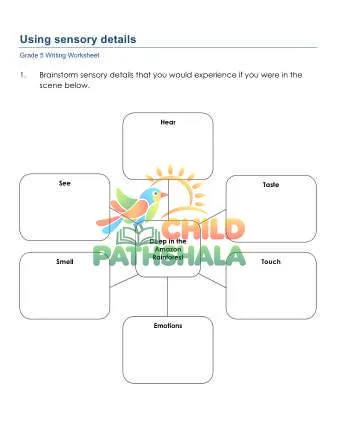
activitieskindergartenlearningparents
Watch Kindergarten in action
▶ Now playing: Child Pathshala Printables
📺 Dedicated Watch Page →Parent favorites from the store
View all →
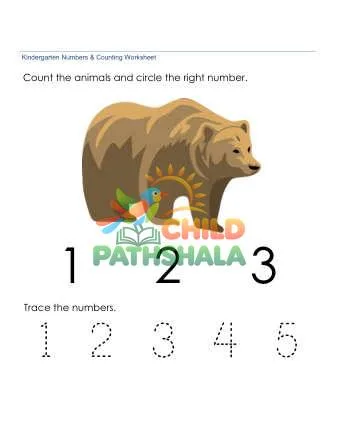
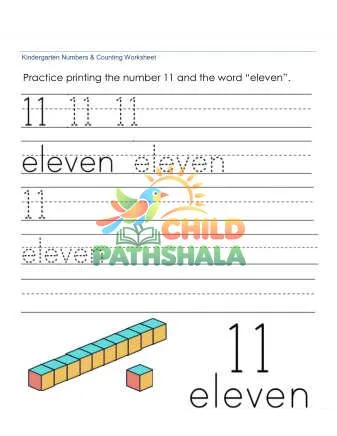
Apply during checkout for instant savings. Shop all bundles →
Looking for Printable Worksheets & Words?
Turn today's ideas into practice — 14,900+ free worksheets by grade, subject and skill, plus an illustrated 30,000-word dictionary.
Keep reading
 Kindergarten
Nursery School Readiness Activities: Social Independence, Separation, and Self-Care
Shalni Kumari
 Kindergarten
Nursery Colouring Activities for Learning: Fine Motor Grip, Color Mixing, and Art
Anand Kumar
 Kindergarten
Nursery General Knowledge Topics for Children: World Awareness, Animals, and Manners
Shalni Kumari
 Kindergarten
LKG Syllabus: Complete Subject-Wise Learning Guide for Parents and Teachers
Shalni Kumari
Get New Learning Activities & Printables
One short email a week — no spam, unsubscribe anytime.