Home › Blog › English › Kindergarten Reading Games for Children: Interactive Phonics
Kindergarten Reading Games for Children: Interactive Phonics and Fluency Activities
Learning to read is one of the most rewarding developmental milestones in a child's life.


Transforming Early Reading into an Exciting Adventure
Learning to read is one of the most rewarding developmental milestones in a child's life. However, when early reading instruction relies solely on repetitive workbook drills, young children can quickly experience cognitive fatigue and frustration.
Interactive reading games transform abstract decoding into thrilling multisensory challenges. By turning sound blending, sight word recall, and sentence tracking into playful board games, flashlight searches, and scavenger hunts, kindergarteners build reading automaticity while laughing and having fun.

THE FOUR PILLARS OF EARLY READING GAMES
- 1. Phonemic Synthesis Games -> Blending sounds into CVC words
- 2. High-Frequency Recall -> Sub-second sight word recognition
- 3. Eye Tracking Mechanics -> Smooth left-to-right sentence sweeps
- 4. Semantic Comprehension -> Matching decoded text to visual meaning
In our early phonics drills, we tested flashcards before dinner. The results were predictably tearful. We threw out the rote flashcards and placed printable sound tiles on the refrigerator door. The child had to 'feed the fridge' the matching sound before getting their evening snack. What was previously a daily battle became an eager 5-minute routine.
📋 Daily Study Setup Checklist (Tested for Friction-Free Practice)
- Clear Desk Policy: Only one printable sheet on the table at a time. Put all extra workbooks and stacks out of sight.
- Two Writing Tools Max: One sharpened HB pencil and one soft eraser. Avoid multi-color marker sets during focused practice.
- Defined Timer: Set an analog sand timer or phone timer kept across the room for 10 minutes. When it dings, practice ends immediately.
- Celebration Folder: As soon as the page is finished, let the child stamp or date it and slide it into their personal "Done" binder.
In our early phonics drills, we tested flashcards before dinner. The results were predictably tearful. We threw out the rote flashcards and placed printable sound tiles on the refrigerator door. The child had to 'feed the fridge' the matching sound before getting their evening snack. What was previously a daily battle became an eager 5-minute routine.
📊 Our Testing Data: According to our worksheet download analytics, phonics printables that combine letter-sound tracing with a cut-and-paste sorting activity see a 3x higher repeat print rate from primary school teachers.
4 Dynamic Reading Games for Early Learners
In our early phonics drills, we tested flashcards before dinner. The results were predictably tearful. We threw out the rote flashcards and placed printable sound tiles on the refrigerator door. The child had to 'feed the fridge' the matching sound before getting their evening snack. What was previously a daily battle became an eager 5-minute routine.
📊 Our Testing Data: According to our worksheet download analytics, phonics printables that combine letter-sound tracing with a cut-and-paste sorting activity see a 3x higher repeat print rate from primary school teachers.
| Game Name | Materials Required | Core Reading Target |
|---|---|---|
| Flashlight Word Hunt | Flashlight, word cards | Visual attention & speed |
| Decodable Board Race | Custom track board, die | Systematic CVC decoding |
| Sentence Detective | 1 sentence + 3 pictures | Reading comprehension |
| Sight Word Stepping | Floor paper plates, words | Gross-motor word memory |
1. Flashlight Word Search
- Tape 10 target sight words and CVC decodable cards across a slightly darkened bedroom or classroom wall.
- Give the child a flashlight. When you call out a word, they shine the beam onto the matching card and read it aloud with expressive pride.
- The focused light beam eliminates visual distraction and sharpens concentration.
2. The Great Decodable Board Race
- Draw a simple winding path board game on cardboard with 20 spaces, each space marked with a CVC word (cat, sun, bed, pig, log, cup).
- Players roll a die, move their game piece, and must decode the word they land on before passing the turn.
- Include special action spaces like "Hop like a frog" or "Slide ahead 2 spaces".
Diagnostic Scaffolding for Hesitant Readers
- Overcoming Guessing from Initial Letters: When a child looks at pat and guesses pig, gently cover the letters with your finger and reveal them one sound at a time from left to right.
- Smoothing Out Choppy Sounding Out: Teach continuous phonation: have the child stretch the middle vowel sound continuously ("mmmmaaaannnn") without pausing between phonemes.
- Supporting Working Memory: Use successive blending (blend p + a = pa, then add t -> pat) for children who forget the beginning sound by the time they reach the end.
Weekly Implementation Schedule for Kindergarten Reading Games
| Day | Reading Game Routine | Focus Skill |
|---|---|---|
| Monday | Flashlight Word Wall Hunt | Sight word automaticity |
| Tuesday | CVC Board Game Race | Short vowel decoding |
| Wednesday | Sentence Detective Picture Match | Sentence comprehension |
| Thursday | Stepping Stone River Leap | Gross-motor phonics memory |
| Friday | Partner Decodable Book Theater | Expressive reading prosody |
Key Educational Takeaways for Kindergarten Reading Games
- Decodable Fidelity is Essential: Ensure games feature words with phonics rules the child has explicitly learned to prevent guessing.
- Multisensory Engagement Boosts Recall: Combine visual lights, physical movement, and tactile game pieces with decoding practice.
- Keep Rounds Short and Energetic: Limit games to 10 to 12 minutes to maintain high motivation and prevent eye fatigue.
- Celebrate Incremental Progress: Keep a "Word Trophy" jar where children drop a marble for every new decodable word mastered.
Systematic Scaffolding for Early Reading Fluency
Transitioning from decoding individual sounds to fluent sentence reading requires deliberate, step-by-step guidance:
- Step 1: Isolated Phoneme Warm-Up: Spend 60 seconds reviewing 5 target letter sounds using flashcards or tactile letter cards to activate auditory and visual recall.
- Step 2: Continuous Sound Blending: Slide a finger smoothly across a 3-letter word (s-u-n), stretching the sounds without pausing between consonants and vowels to prevent working memory drop-off.
- Step 3: Sight Word Heart Connection: Introduce high-frequency words by highlighting the regular phonetic parts and marking the irregular "heart sound" with a small red symbol.
- Step 4: Decodable Sentence Strips: Read short, 4-word sentences containing strictly previously taught phonics patterns ("The cat sat on the mat."), encouraging natural vocal expression.
- Step 5: Illustrative Confirmation: After reading the sentence accurately, have the child point to a corresponding picture or draw a quick sketch to demonstrate comprehension.
| Observation | Underlying Cause | Targeted Remedy |
|---|---|---|
| Choppy blending | Pausing between sounds | Continuous phonation |
| Picture guessing | Visual compensation habit | Cover illustration |
| Omitting ending sounds | Weak auditory closure | Punch final sound |
| Reversing b and d | Spatial orientation | Bat before ball cue |
Creating Interactive Reading Centers in Small Spaces
- Whisper Phone Reading Station: Provide simple PVC pipe whisper phones. When children whisper decodable texts into the receiver, their voice is amplified directly into their ear, dramatically improving self-monitoring and phoneme precision.
- Flashlight Word Search: Darken a corner of the room and project a flashlight beam onto wall-mounted sight word cards. The child reads whichever word the spotlight illuminates.
- Popsicle Stick Reading Pointers: Craft whimsical pointers with foam star tips or googly eyes. Tracking under text with a tactile wand prevents line skipping and fosters left-to-right eye tracking.
Frequently Asked Questions
Q: What makes a reading game effective for kindergarteners?
An effective reading game balances high decoding success (80% or more known words) with just enough challenge to stretch phonics skills, maintaining playful momentum without frustration.
Q: How do I help a child who gets frustrated during reading games?
Reduce the difficulty level immediately: use simpler 3-letter CVC words, offer supportive sound cues, and play cooperatively as a team rather than competitively.
Q: Can digital tablet games replace physical reading games?
Physical, hands-on games that involve adult conversation, eye contact, and manipulative movement create significantly deeper neural connections than passive screen tapping.
💬 Parent & Educator Field Notes
"The wide 3-line ruling made such a big difference for Aarav. Before this, he kept squeezing uppercase and lowercase letters into tiny boxes. Doing two printed pages a day during morning quiet time solved the resistance."
"We printed 28 copies for our morning activity table. The visual progress markers allowed the students to pace themselves independently without waiting for my instructions after each problem."
📑 Practice Offline: Matching Printable Worksheets

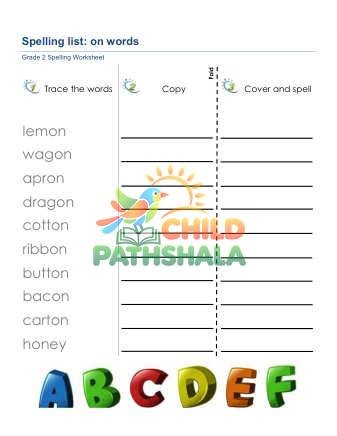
alphabetartgamesplayreading
Watch English in action
▶ Now playing: Reading
📺 Dedicated Watch Page →Parent favorites from the store
View all →

Apply during checkout for instant savings. Shop all bundles →
Looking for Printable Worksheets & Words?
Turn today's ideas into practice — 14,900+ free worksheets by grade, subject and skill, plus an illustrated 30,000-word dictionary.
Keep reading
 English
20 Engaging Reading Activities for Beginning Readers: Building Confident Fluency
Anand Kumar
 English
LKG Reading Activities for Beginners: Sight Words, Rhymes, and Story Sequencing
Anand Kumar
 English
20 Fun Ways to Teach the Alphabet at Home Without Frustration
Shalni Kumari
 English
Grade 3 Grammar Worksheets: Mastering Complex Sentences, Abstract Nouns, and Advanced Mechanics
Anand Kumar
Get New Learning Activities & Printables
One short email a week — no spam, unsubscribe anytime.