Home › Blog › Science › Grade 6 Human Body Systems: Circulatory, Respiratory, Digest
Grade 6 Human Body Systems: Circulatory, Respiratory, Digestive, and Excretory Physiology
The human body is an integrated biological machine comprising specialized organ systems operating in homeostasis.


The human body is an integrated biological machine comprising specialized organ systems operating in homeostasis. Understanding how the circulatory, respiratory, digestive, and excretory systems interact provides sixth-grade students with foundational knowledge of cellular metabolism, nutrient absorption, and waste removal.


1. Cardiovascular System: Four-Chambered Heart and Double Circulation
The human heart powers a closed, double circulatory system:
- Pulmonary Circulation: The right ventricle pumps deoxygenated blood through pulmonary arteries to the lungs, where it releases
\text{CO}2and absorbs\text{O}2before returning to the left atrium. - Systemic Circulation: The left ventricle pumps oxygen-rich blood under high pressure through the aorta to body tissues, returning deoxygenated blood through the vena cava to the right atrium.
When setting up our home study corner, we set out a full box of 48 crayons. Within five minutes, thirty-six crayons were rolling across the floor and our preschooler was overwhelmed. Now, before any activity, we place exactly three crayons on the wooden tray. A clear desk creates a calm, focused mind.
BLOOD CIRCULATION PATHWAY FLOW
2. Respiratory Gas Exchange in Alveoli
Air moves through the nasal cavity, trachea, bronchi, and bronchioles into microscopic air sacs called alveoli:
- Diffusion Gradient: Oxygen diffuses across the ultra-thin alveolar membrane into surrounding capillary erythrocytes, binding to hemoglobin.
- Carbon Dioxide Removal: Dissolved carbon dioxide in blood plasma diffuses down its partial pressure gradient into alveoli for exhalation.
3. Gastrointestinal Digestion: Mechanical and Chemical Breakdown
| Organ Stage | Mechanical Digestion | Chemical Enzymes & Acids |
|---|---|---|
| Mouth (Oral) | Mastication (Teeth Chewing) | Salivary Amylase (Starches) |
| Stomach | Peristaltic Churning | Pepsin (Proteins) & HCl pH 2 |
| Small Intestine | Segmentation Contractions | Trypsin, Lipase, Pancreatic |
| Liver / Gallbladd. | Bile Mechanical Emulsificat. | Breaks Fats into Micelles |
| Large Intestine | Water Reabsorption & Comp. | Bacterial Vitamin Synthesis |
4. Excretory Renal Filtration in Nephrons
The kidneys filter approximately 180\text{ liters} of blood daily through millions of microscopic functional units called nephrons:
- Glomerular Filtration: High blood pressure forces water, urea, salts, and glucose from glomerular capillaries into Bowman's capsule.
- Tubular Reabsorption: Essential nutrients, glucose, and regulated volumes of water are reclaimed into peritubular capillaries.
- Tubular Secretion and Excretion: Metabolic wastes and excess ions form concentrated urine, flowing through ureters to the urinary bladder.
Key Takeaways
- The circulatory system operates a double loop: pulmonary circulation (lungs) and systemic circulation (body tissues).
- Alveoli provide high surface area for passive diffusion of oxygen into capillaries and carbon dioxide out of blood.
- The digestive tract breaks macromolecules into absorbable monomers: carbohydrates to simple sugars, proteins to amino acids, and fats to fatty acids.
- Nephrons in kidneys filter blood, reabsorb vital nutrients, and excrete nitrogenous urea waste as urine.
Physiological Systems Modeling and Organ Simulation Labs
Exploring human anatomy and organ dynamics through hands-on biological modeling:
- Lung Model Bell Jar Diaphragm Apparatus: Construct working lung models using plastic bottles, balloons, and rubber membranes to demonstrate Boyle's law in breathing.
- Cardiovascular Pulse Rate and Exercise Recovery: Measure radial pulse rates before, during, and after aerobic exercise to graph cardiovascular recovery curves.
- Dialysis Tubing Nephron Filtration Simulation: Filter starch and glucose solutions through semipermeable dialysis tubing to model renal glomerular filtration.
- Enzymatic Salivary Amylase Starch Digestion: Test cracker starch breakdown into simple reducing sugars using Benedict's solution heating trials.
Weekly Human Physiology and Organ Systems Schedule
A 5-day biological systems unit examining cardiovascular, respiratory, digestive, and excretory organs:
- Monday (Cardiovascular Circulation Pathways): Trace blood flow through the four heart chambers, pulmonary loop, and systemic arteries/veins.
- Tuesday (Respiratory Gas Exchange in Alveoli): Model lung mechanics using diaphragm bell jars and trace oxygen diffusion across alveolar capillaries.
- Wednesday (Digestive Macromolecule Breakdown): Map mechanical chewing and chemical enzyme digestion across the mouth, stomach, and small intestine.
- Thursday (Renal Nephron Filtration and Excretion): Model glomerular filtration and tubular reabsorption in kidneys using semipermeable membranes.
- Friday (Homeostatic System Interconnectedness): Diagram how the circulatory system delivers digestive glucose and respiratory oxygen to body cells.
Human Physiology Diagnostic Rubric
- Circulatory Tracking: Can the student trace deoxygenated blood from the vena cava through the right heart chambers to the lungs?
- Digestive Chemistry: Does the student know where carbohydrates (mouth/pancreas), proteins (stomach), and fats (bile/liver) are digested?
- Excretory Filtration: Does the student understand that kidneys filter metabolic urea waste while reabsorbing vital water and glucose?
Frequently Asked Questions
Q: Why do arteries have thicker muscular walls than veins?
Arteries transport blood pumped directly from heart ventricles under high hydrostatic pressure, requiring thick elastic muscular walls to withstand and sustain systolic pressure waves.
Q: What is the primary function of villi and microvilli in the small intestine?
Villi and microvilli increase the internal surface area of the small intestine by over 60-fold, maximizing the rate of passive and active nutrient absorption into blood capillaries.
Q: How does the diaphragm control pulmonary breathing?
During inhalation, the muscular diaphragm contracts and flattens downward, expanding thoracic volume, reducing internal lung pressure, and drawing atmospheric air inward.
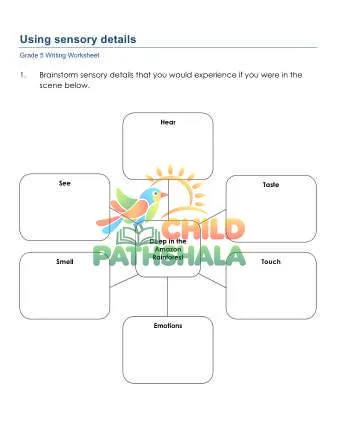
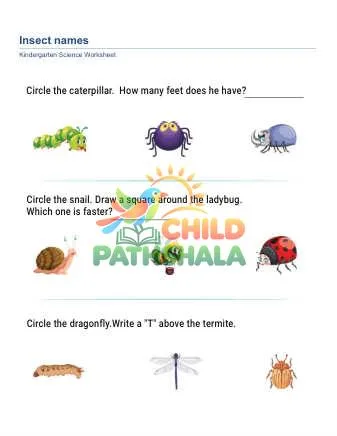
📑 Practice Offline: Matching Printable Worksheets


STEMlearningparentsreadingscience
Watch Science in action
▶ Now playing: Child Pathshala Printables
📺 Dedicated Watch Page →Parent favorites from the store
View all →

Apply during checkout for instant savings. Shop all bundles →
Looking for Printable Worksheets & Words?
Turn today's ideas into practice — 14,900+ free worksheets by grade, subject and skill, plus an illustrated 30,000-word dictionary.
Keep reading
 Science
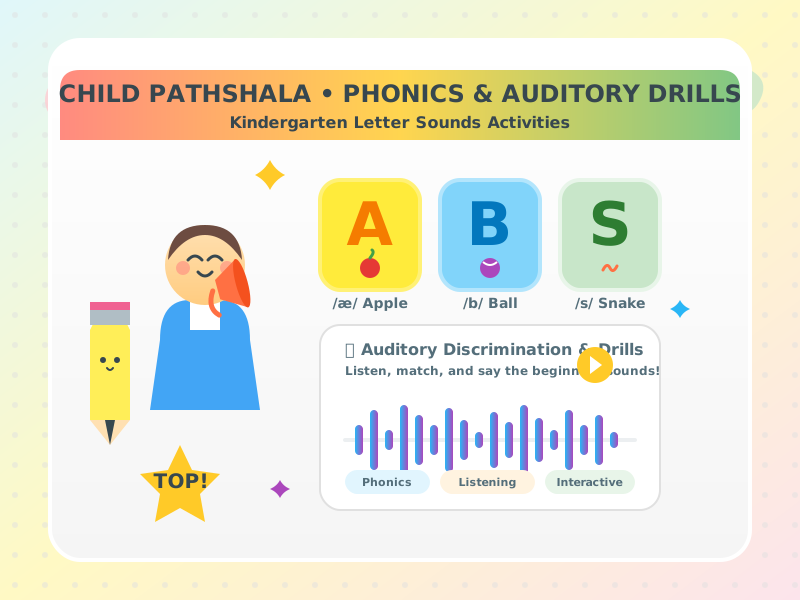
Kindergarten Letter Sounds Activities: Auditory Discrimination and Phonics Drills
Anand Kumar
 Science
Grade 6 Social Science Syllabus and Topics: Ancient Civilizations, Geography, World Religions, and Early Governance
Anand Kumar
 Science
Grade 6 Force and Motion: Vector Forces, Acceleration Formulas, Kinetic Friction, and Momentum
Anand Kumar
 Science
Animals Worksheets: Classifying Mammals, Birds, Reptiles, Amphibians, Fish, and Insects
Anand Kumar
Get New Learning Activities & Printables
One short email a week — no spam, unsubscribe anytime.