Home › Blog › Kindergarten › 25 Engaging Educational Activities for 5-Year-Olds: Kinderga
25 Engaging Educational Activities for 5-Year-Olds: Kindergarten Readiness at Home
At five years old, children stand on the threshold of formal education.


At five years old, children stand on the threshold of formal education. They are developing longer attention spans, mastering complex spoken language, asking deep questions about how the world functions, and exploring early literacy and math concepts.
Kindergarten readiness is not about forcing five-year-olds to sit quietly for hours filling in worksheets. Real academic confidence develops when children physically manipulate quantities, sound out words through active play, test scientific hypotheses in the kitchen, and solve creative construction challenges.
Here are 25 engaging, hands-on educational activities designed specifically for five-year-olds at home.

Early Literacy and Phonics Exploration
Connecting speech sounds to written symbols through multi-sensory play.
When setting up our home study corner, we set out a full box of 48 crayons. Within five minutes, thirty-six crayons were rolling across the floor and our preschooler was overwhelmed. Now, before any activity, we place exactly three crayons on the wooden tray. A clear desk creates a calm, focused mind.
📋 Daily Study Setup Checklist (Tested for Friction-Free Practice)
- Clear Desk Policy: Only one printable sheet on the table at a time. Put all extra workbooks and stacks out of sight.
- Two Writing Tools Max: One sharpened HB pencil and one soft eraser. Avoid multi-color marker sets during focused practice.
- Defined Timer: Set an analog sand timer or phone timer kept across the room for 10 minutes. When it dings, practice ends immediately.
- Celebration Folder: As soon as the page is finished, let the child stamp or date it and slide it into their personal "Done" binder.
1. Bottle Cap CVC Word Builder
When setting up our home study corner, we set out a full box of 48 crayons. Within five minutes, thirty-six crayons were rolling across the floor and our preschooler was overwhelmed. Now, before any activity, we place exactly three crayons on the wooden tray. A clear desk creates a calm, focused mind.
📊 Our Testing Data: Over 6,200 parents who use our weekly printable packs report that keeping study materials to a single finished-and-filed folder creates a visible sense of daily accomplishment for young learners.
Slide plastic bottle caps with consonants and vowels together to construct three-letter words (cat, pin, sun). Swapping the initial cap shows how word families operate (c-at, b-at, h-at).
When setting up our home study corner, we set out a full box of 48 crayons. Within five minutes, thirty-six crayons were rolling across the floor and our preschooler was overwhelmed. Now, before any activity, we place exactly three crayons on the wooden tray. A clear desk creates a calm, focused mind.
📊 Our Testing Data: Over 6,200 parents who use our weekly printable packs report that keeping study materials to a single finished-and-filed folder creates a visible sense of daily accomplishment for young learners.
2. The Salt Tray Finger Trace
Pour fine salt onto a dark tray for your child to trace letters, sight words, and numbers with their index finger, shaking the tray gently to reset.
3. Flashlight Sight Word Hunt
Tape high-frequency word cards around a dimmed room. Hand your child a flashlight beam to scan the room, illuminate a target word, and read it out loud.
4. Story Stones Narrative Adventure
Draw simple icons on smooth pebbles. Draw three stones at random and invent an adventure story connecting them.
5. Comic Strip Speech Bubble Creator
Print comic panels with blank dialogue bubbles for your child to write silly conversations and sound effects using phonetic spelling.
Kindergarten Math and Number Operations
Building numerical intuition and quantitative reasoning.
6. Ten-Frame Egg Carton Math
Cut an egg carton down to ten compartments (two rows of five). Place bottle caps inside to visually explore combinations that make ten.
7. Two-Color Bean Shake and Spill
Color ten dry beans red on one side. Shake in a cup and spill on the table, counting red and blue beans to discover all number bonds of ten.
8. Toy Garage Marble Addition Ramp
Tape two cardboard tubes side-by-side above an open shoebox. Drop marbles down both tubes, counting the combined collection to solve 3 + 4 = 7.
9. Number Line Floor Tape Frog Jumps
Stick a numbered tape line from 0 to 10 on the rug. Jump forward for addition (4 + 3) and hop backward for subtraction (8 - 3).
10. Living Room Bowling Knockdown Tally
Set up six plastic water bottles in a triangle. Roll a soft ball to knock them down, recording fallen and standing pins to solve subtraction equations.
Hands-On Science and STEM Discovery
Simple experiments nurture observation and logical reasoning.
11. Baking Soda and Colored Vinegar Volcano
Sprinkle baking soda on a tray. Provide small cups of colored vinegar and medicine droppers for bubbling chemical exploration.
12. Four-Layer Kitchen Density Tower
Layer honey, dish soap, blue water, and vegetable oil in a tall glass to observe density stratification, testing where grapes and plastic beads float.
13. Walking Water Capillary Lab
Place paper towel bridges between cups of colored water to observe water climbing through capillary action to mix primary into secondary colors.
14. Sprouting Bean in a Window Bag
Place a damp paper towel and kidney beans inside a clear ziploc bag taped to a sunny window, tracking daily root and sprout growth.
15. Balloon Rocket on a String
Thread a drinking straw onto a long string taped across the room. Inflate a balloon, tape it to the straw, and release to watch it zoom forward.
Fine Motor and Structural Engineering
Building hand endurance and spatial problem-solving skills.
16. Shoe Box Marble Labyrinth
Glue cardboard strips inside a shoe box lid to make a maze, tilting the box with two hands to guide a marble from start to finish.
17. Toothpick and Playdough Architecture
Connect wooden toothpicks with small playdough balls to build flat squares and upward into 3D geometric cubes.
18. Paper Cup Pyramid Challenge
Hand your child a pack of 50 paper cups and challenge them to construct the tallest self-supporting pyramid possible without it toppling.
19. Index Card Pillar Weight Test
Fold index cards into circular and triangular pillars, testing how many books each shape can support before buckling.
20. Playdough Scissor Snipping
Roll thick playdough snakes and hand your child child-safe scissors to snip the dough into small pieces, building hand arch strength.
Practical Life Skills and Independence
Household responsibilities build executive function and self-confidence.
21. Folding Clean Laundry
Teach your child to pair socks, fold washcloths into neat squares, and hang shirts on hangers, reinforcing spatial alignment and matching logic.
22. Kitchen Snack Preparation
Let your child use a child-safe wooden knife to slice bananas, spread butter on toast, or peel mandarins for snack time.
23. Setting the Family Table
Have your child set the dinner table, counting out plates, glasses, and cutlery while placing each item in its proper spatial location.
24. Plant Watering and Leaf Dusting
Give your child a small watering can to check indoor houseplants for dry soil and wipe dust from broad leaves.
25. The 5-Minute Bedroom Tidy-Up Race
Set a visual timer for five minutes and challenge your child to return books to shelves and toys to bins before the alarm rings.
Supporting 5-Year-Old Growth
- Balance focus with physical movement: Keep table tasks to 15 minutes, alternating with outdoor running and play.
- Praise strategic thinking: Ask "How did you decide on that method?" to nurture metacognition and curiosity.
- Maintain a joyful learning atmosphere: Children who experience learning as a playful exploration enter kindergarten eager and confident.
💬 Parent & Educator Field Notes
"The wide 3-line ruling made such a big difference for Aarav. Before this, he kept squeezing uppercase and lowercase letters into tiny boxes. Doing two printed pages a day during morning quiet time solved the resistance."
"We printed 28 copies for our morning activity table. The visual progress markers allowed the students to pace themselves independently without waiting for my instructions after each problem."
Frequently Asked Questions
Common questions from parents and educators answered by our specialists
Q1
How much time should we spend on educational activities year daily?
Ten to fifteen focused minutes is plenty. Two short rounds beat one long weekend session for educational activities year.
Q2
My child resists educational activities year. What helps?
Shrink to one tiny step, offer a choice of two starting points, begin with an easy win, and stop early. Resistance usually means the step was too big.
Q3
When should we use worksheets for educational activities year?
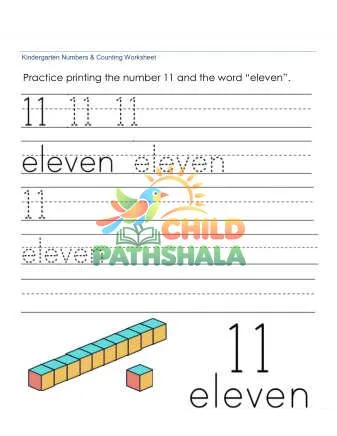
When the hands-on version feels easy and quick. Then place one matching printed page right after play so paper feels like success, not pressure.
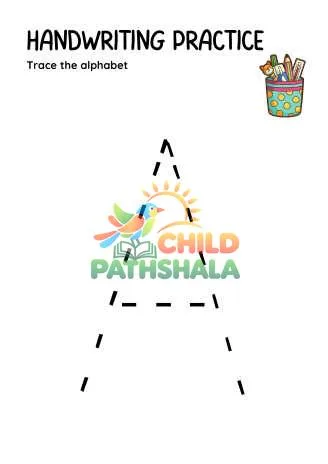
📑 Practice Offline: Matching Printable Worksheets

kindergartenmathreadingscience
School-Ready Printables
Kindergarten worksheets for reading, math and writing.
Watch Kindergarten in action
▶ Now playing: Child Pathshala Printables
📺 Dedicated Watch Page →Parent favorites from the store
View all →
Apply during checkout for instant savings. Shop all bundles →
Looking for Printable Worksheets & Words?
Turn today's ideas into practice — 14,900+ free worksheets by grade, subject and skill, plus an illustrated 30,000-word dictionary.
Keep reading
 Kindergarten
Nursery School Readiness Activities: Social Independence, Separation, and Self-Care
Shalni Kumari
 Kindergarten
Nursery Colouring Activities for Learning: Fine Motor Grip, Color Mixing, and Art
Anand Kumar
 Kindergarten
Nursery General Knowledge Topics for Children: World Awareness, Animals, and Manners
Shalni Kumari
 Kindergarten
LKG Syllabus: Complete Subject-Wise Learning Guide for Parents and Teachers
Shalni Kumari
Get New Learning Activities & Printables
One short email a week — no spam, unsubscribe anytime.